A kitchen bench can look spotless and still carry a sharp chemical smell long after the cleaning is done. For many Sydney households, that is the moment eco-friendly house cleaning starts to make practical sense. The aim is not to accept a less-clean home. It is to achieve the fresh, hygienic result you expect while reducing unnecessary chemical exposure, single-use waste and excess water.
A considered approach is especially valuable in busy family homes, apartments with limited ventilation, rental properties and workplaces. It can also be a sensible choice for households with children, pets, asthma or sensitivities to strong fragrances. The key is choosing methods that are effective for the surface and soil at hand, rather than relying on one harsh product for every job.
Eco-friendly cleaning is often reduced to a label on a spray bottle. In reality, it is a combination of product selection, correct technique, responsible use of water and equipment that removes dirt efficiently. A product should be used at the right dilution, on the right surface and only in the amount required. More product does not automatically mean a cleaner result.
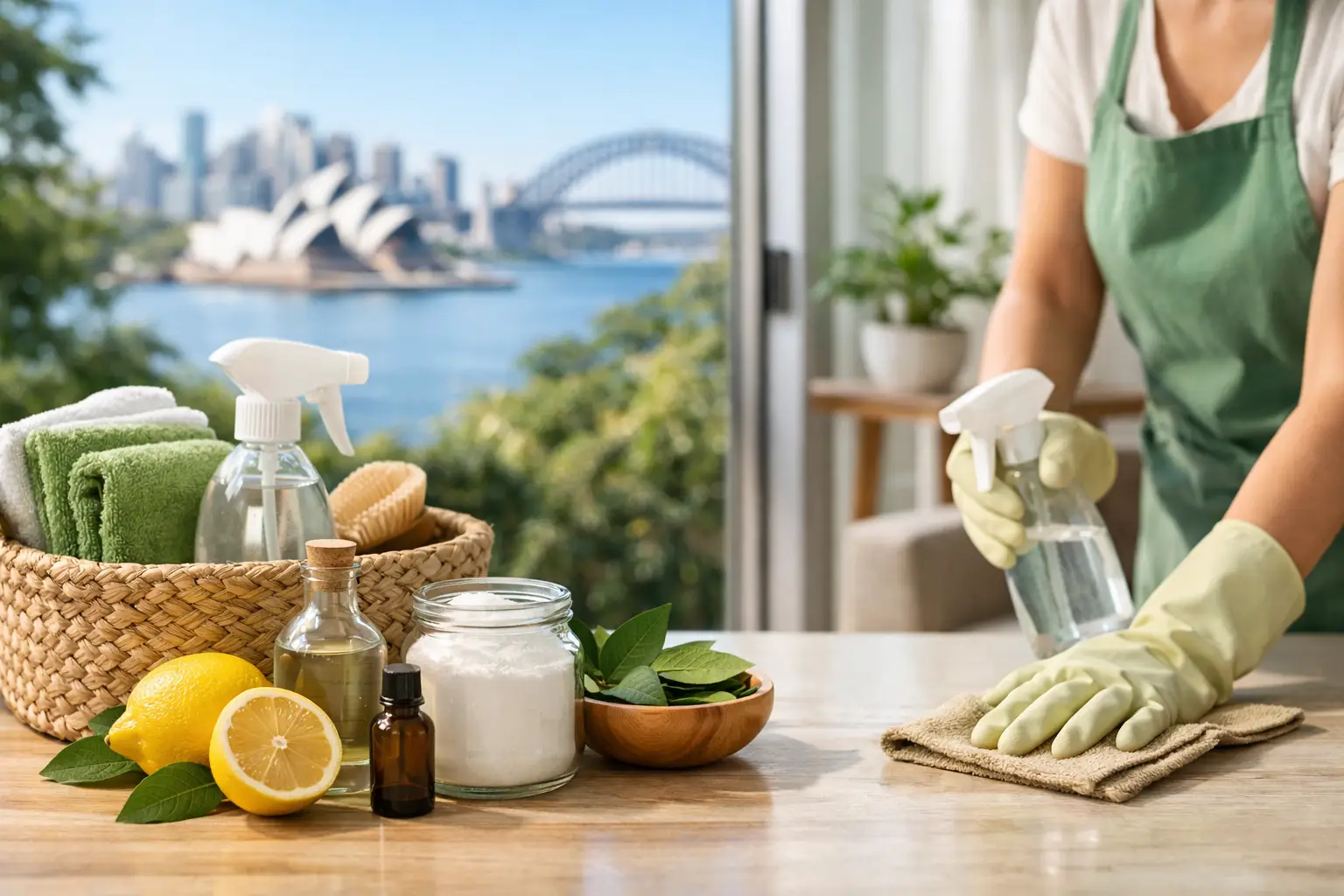
For everyday cleaning, low-toxicity, biodegradable and readily rinsed products can reduce residue on frequently touched surfaces. Refillable containers and concentrated formulas can also cut down on plastic packaging. Microfibre cloths are another simple but worthwhile choice: when properly laundered and reused, they lift dust and grime with less reliance on disposable wipes.
That said, eco-friendly does not mean homemade remedies are always the best answer. Vinegar may be useful for some light cleaning tasks, but its acidity can damage natural stone, unsealed grout and certain finishes. Likewise, bicarbonate soda is mildly abrasive and can dull delicate surfaces if used too aggressively. A professional cleaner considers the material first, then selects a safe, effective treatment.
The most sustainable cleaning method is often the one that removes soil properly the first time. Repeated scrubbing, overuse of products and replacing damaged surfaces create more waste than a careful, targeted clean.
Door handles, light switches, kitchen benches, taps, toilet flush buttons and bathroom fittings need regular attention because they are touched often. These areas benefit from a suitable cleaner followed by adequate contact time where disinfection is required. Cleaning and disinfecting are not identical tasks: cleaning removes visible soil and many germs, while disinfection is used when hygiene risks call for an additional step.
For a normal household routine, thorough cleaning may be sufficient in many areas. During illness, after a spill involving bodily fluids or in shared commercial spaces, a properly approved disinfectant may be the appropriate choice. The product still needs to be used according to its instructions. Wiping it away immediately can reduce its effectiveness and waste the product.
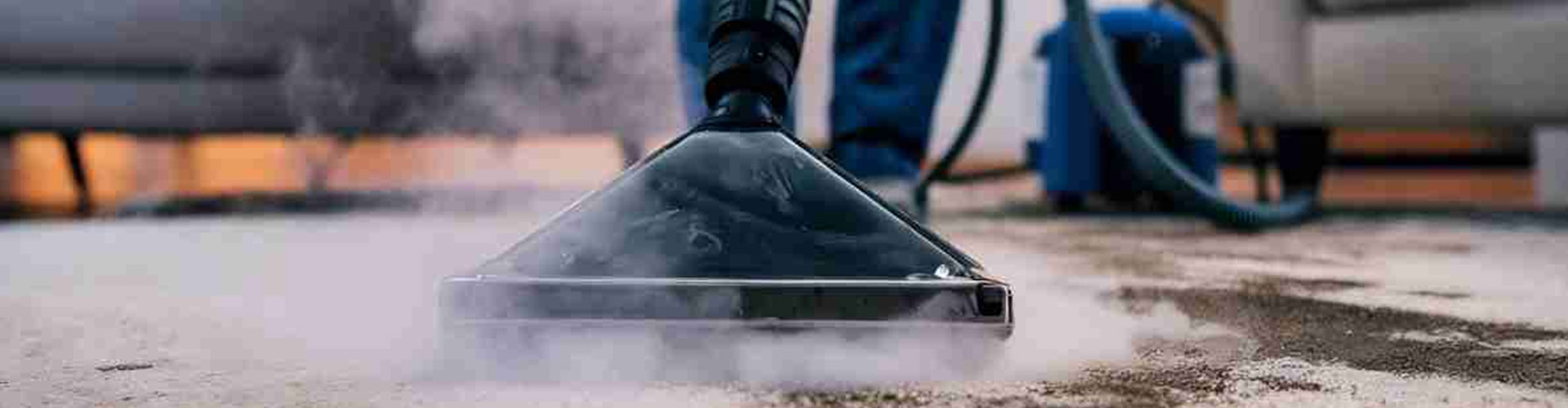
Quality equipment makes a noticeable difference. Vacuum cleaners with well-maintained filters capture fine dust rather than recirculating it through the room. Steam cleaning, when suitable for the material, can refresh carpets and upholstery with minimal chemical use. Pressure washing can restore exterior paths, driveways and walls efficiently, though water pressure must be adjusted to protect painted surfaces, timber and older masonry.
For glass, a streak-free result comes from clean squeegees, fresh cloths and the right technique - not from saturating windows with product. The same principle applies to floors. A lightly damp microfibre mop is often more effective and more water-conscious than repeatedly flooding a surface.
Using the same cloth in the bathroom and kitchen defeats the purpose of a detailed clean. Allocate separate cloths, mop heads and brushes to different zones, then wash reusable items thoroughly after use. Colour-coding tools is an easy way to keep the system consistent, particularly in homes with multiple bathrooms or offices with shared kitchens.
This approach improves hygiene without requiring stronger chemicals. It is one of the practical details that separates a quick surface tidy from a meticulous cleaning service.
Kitchens need grease control, food-safe surface care and regular attention to appliances. A gentle degreaser suited to the bench material, paired with a clean cloth, is usually more reliable than abrasive scouring. Inside ovens and rangehood filters, heavier build-up may require a specialised product and longer dwell time. There is no benefit in using a mild cleaner that cannot cut through baked-on grease, then repeating the process several times.
Bathrooms require a different strategy. Soap scum, body oils and mineral deposits can build up on screens, tiles and taps. Regular cleaning prevents this residue from hardening, allowing milder products to work well. For mould, the priority is to address moisture and ventilation alongside cleaning. If mould returns quickly, a leaking fitting, poor airflow or persistent condensation may be the underlying issue.
Bedrooms and living areas benefit from dust control, vacuuming and upholstery care. Curtains, lounges and mattresses can hold dust, allergens and odours that ordinary wiping will not remove. Periodic professional upholstery or carpet steam cleaning can extend the life of these items while improving the feel of the room.
A sustainable routine does not need a cupboard full of specialty bottles. Choose a small range of suitable products, store them safely and use reusable tools where hygiene allows. Buy only what you can use before it expires, and avoid decanting products into unlabelled containers.
There are a few simple habits that make a genuine difference:
Water use matters too, particularly for outdoor cleaning. Sweeping paths before washing, treating stains directly and using appropriately adjusted equipment can reduce runoff and unnecessary water use. In strata properties or homes near stormwater drains, care should also be taken to prevent cleaning residue from being washed into drainage systems.
Some cleaning jobs are straightforward, but others need trained hands, commercial-grade equipment and a clear understanding of surface care. End-of-lease cleaning, stained carpets, high windows, heavily soiled upholstery and exterior pressure washing are good examples. The wrong product or pressure setting can cause damage that costs far more than professional service.
A reliable cleaner should be willing to discuss your property, the areas that need attention and any specific concerns such as pets, allergies, sensitive materials or NDIS support requirements. Eco-conscious service should not be a vague promise. It should show up in product choices, accurate dosing, efficient equipment, careful waste handling and a commitment to leaving the property genuinely clean.
For Sydney households and businesses that want those standards without adding another task to the week, OM Cleaning provides tailored cleaning with professional methods, screened staff and close attention to detail. A quote-led service allows the work to suit the property, whether it is a regular home clean, a carpet refresh or a more demanding move-out clean.
A cleaner home should feel comfortable the moment you walk through the door, not leave behind overpowering fumes, wasted materials or doubt about whether the job was done properly. Choose practical products, look after the surfaces you own and bring in trusted support when the work calls for it.