
A rental inspection can feel like a judgement on every mark, crumb and scuff in your home. In practice, knowing how to prepare rental inspection comes down to being organised, addressing genuine maintenance issues early and presenting the property in a clean, well-cared-for condition. A methodical approach gives your property manager a clear picture of how the home has been maintained and gives you far more peace of mind.
Whether it is a routine inspection during your tenancy or a final inspection before handing back the keys, start before the appointment week. Rushing through the work the night before can leave the small but visible details untouched.
Your entry condition report is the most useful reference point for a rental inspection. It records the property’s state when you moved in, including existing stains, chips, worn carpet, marks on walls and appliance issues. Compare each room with the photos and notes you kept at the start of the tenancy.
This matters because tenants are generally responsible for damage beyond fair wear and tear, not for ordinary ageing caused by reasonable use. A faded curtain, lightly worn carpet in a busy walkway or minor ageing to paint can be different from a new burn mark, broken fitting or deep stain. If you are unsure about a concern, take clear, dated photos and ask your property manager for clarification rather than making assumptions.
Read the inspection notice carefully too. It should confirm the date, access arrangements and whether the visit is routine or final. For a final inspection, check your lease and any cleaning or handover requirements well ahead of time. Some properties may have specific expectations around carpets, pest treatment, keys, remotes or rubbish removal.
Work through the home in the same order an inspector is likely to follow. This prevents missed areas and makes the job manageable. Begin with decluttering, then clean from high surfaces to low surfaces so dust and debris do not land on freshly cleaned floors.
The kitchen often receives close attention because grease and food residue build up gradually. Clean the cooktop, oven, rangehood filters, splashback, benches, sink and taps thoroughly. Wipe cupboard doors, handles and the fronts of major appliances, then check inside cupboards and drawers for crumbs, spills and forgotten food.
Pull the fridge out if it is safe to do so and clean visible dust from behind and underneath. Do not overlook the dishwasher filter, microwave interior and the rubbish bin area. A fresh-smelling kitchen communicates regular care, while sticky handles and greasy rangehood surfaces can make an otherwise tidy room look neglected.
Bathrooms need more than a quick wipe-over. Remove soap scum from shower screens, scrub grout where needed, clean the toilet inside and out, and polish mirrors, taps and chrome fittings. Pay attention to mould around silicone seals, vents and window frames.
Mould can be a complex issue, particularly where ventilation, building defects or leaks are involved. Clean minor surface mould safely using an appropriate product, but report persistent or widespread mould to the agent or landlord in writing. Do not cover a recurring problem with a cosmetic fix.
In the laundry, wipe down the trough, clean lint from the dryer filter, check behind appliances and make sure no detergent residue remains on shelves or tiles.
Dust skirting boards, ceiling fans, blinds, window sills, light switches and door frames. These are easy to miss in day-to-day cleaning but stand out during an inspection. Vacuum carpets slowly, including along edges and under movable furniture, and mop hard floors using a product suitable for the surface.
Look at the walls in natural light. Small removable marks may lift with gentle cleaning, but avoid aggressive scrubbing that damages paint. If a wall has a significant mark, hole or chip caused during your tenancy, arrange a suitable repair before the inspection. Matching paint poorly can be more noticeable than the original mark, so seek advice if you do not have the correct colour or finish.
Open wardrobes, cupboards and storage areas. They should be empty and free from dust, loose items and cobwebs. If you have pets, focus on hair around carpet edges, upholstery and flyscreens, as well as any odours that may have settled into soft furnishings.
Clean internal windows, tracks, sills and flyscreens where accessible. Fingerprints on glass, dusty tracks and dead insects in window channels can quickly reduce the appearance of an otherwise spotless property. For apartments, take care around balconies and do not attempt unsafe exterior window cleaning.
At the entry, wipe the front door, clean the mat and remove cobwebs around lights or eaves. If your tenancy includes a balcony, courtyard or garden, sweep hard surfaces, remove weeds, clear rubbish and ensure the area is presentable. Check the lease before pruning plants or making changes to the garden.
Cleaning cannot solve a leaking tap, faulty smoke alarm, cracked window or broken blind. Report maintenance issues as soon as you notice them, preferably in writing with photos. This creates a record and gives the owner or agent time to arrange repairs before the inspection.
For tenant-caused damage, act early. A loose cupboard handle, missing light globe, damaged flyscreen or small wall hole may be straightforward to repair when you have time. Leaving it until the final inspection can create pressure, delays and possible disputes.
Avoid unauthorised alterations. Replacing fixtures, repainting walls or attempting electrical repairs without approval can lead to further issues. If you need to repair something, use an appropriately qualified professional where required and retain receipts.
Once the property is cleaned and ready, take date-stamped photos and short videos of every room. Include floors, walls, appliances, bathrooms, inside cupboards, outdoor areas and meter readings if relevant. Photograph areas that were damaged or worn at the beginning of the tenancy, especially if they are documented in your entry report.
Keep records of repair requests, emails, invoices and any professional services completed. At the end of a lease, these documents can be useful if questions arise about carpet cleaning, repairs or the home’s overall condition.
Before leaving for a final inspection, make a practical handover check:
A routine inspection may only require a focused reset if the home is regularly maintained. A final inspection, however, often requires a deeper standard, particularly in kitchens, bathrooms, carpets, windows and hard-to-reach areas. The right approach depends on the condition of the property, how much time you have and the requirements in your lease.
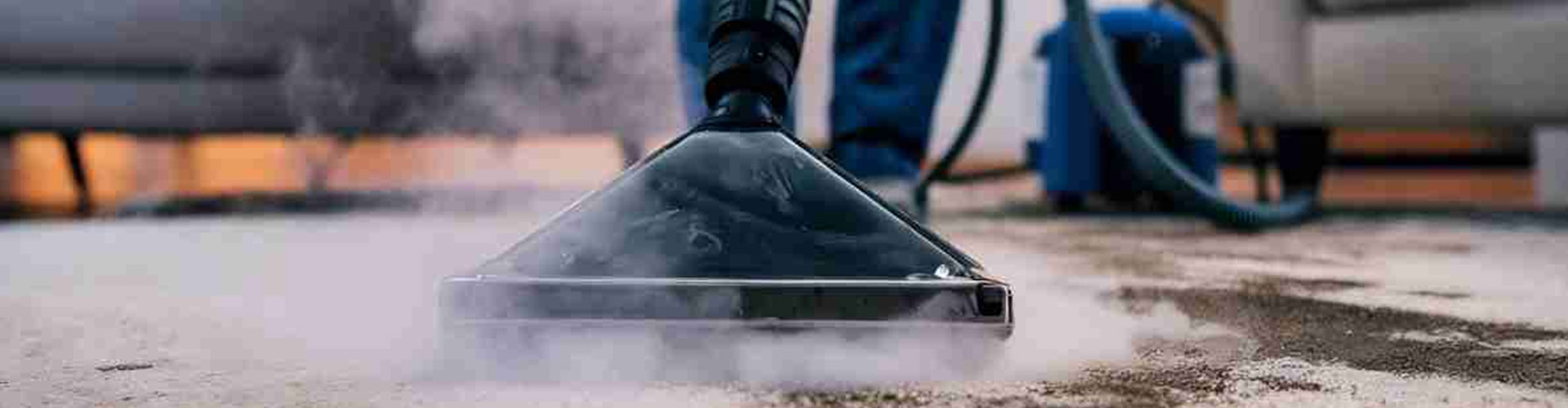
Professional end-of-lease cleaning can be a practical choice when work commitments, moving arrangements or a larger property make a detailed clean difficult. It is also useful when carpets need steam cleaning, ovens have heavy grease build-up, or windows and tracks need more attention than a standard household clean can provide. A professional service does not remove responsibility for damage, but it can help ensure the cleaning component is completed with precision.
For Sydney tenants who need dependable support before a move, OM Cleaning can tailor an end-of-lease clean around the property type and the areas that need the most attention. Booking early gives you more flexibility and leaves time for any final touch-ups after the clean.
Do one slow final walkthrough with your condition report in hand. Open every cupboard, turn on taps, flush toilets, check lights and look behind doors. Stand at the entry of each room and scan it as an inspector would. This simple change of perspective often reveals a dusty skirting board, a missed cobweb or an item still sitting on a shelf.
A well-prepared rental inspection is not about making a lived-in home look untouched. It is about showing consistent care, being transparent about maintenance and leaving the property clean, safe and welcoming for the next person.