A final inspection can turn one missed grease mark, dusty blind or stained carpet into a costly discussion about your bond. When weighing up bond cleaning versus DIY cleaning, the right choice is not simply about finding the cheapest option. It is about the property’s condition, your available time, the standard expected at handover and how much risk you are prepared to carry.
For some tenants, a careful DIY clean is entirely achievable. For others, particularly in larger homes or properties with carpets, mould, built-up kitchen grime or outdoor areas, professional bond cleaning can be the more practical and dependable investment.
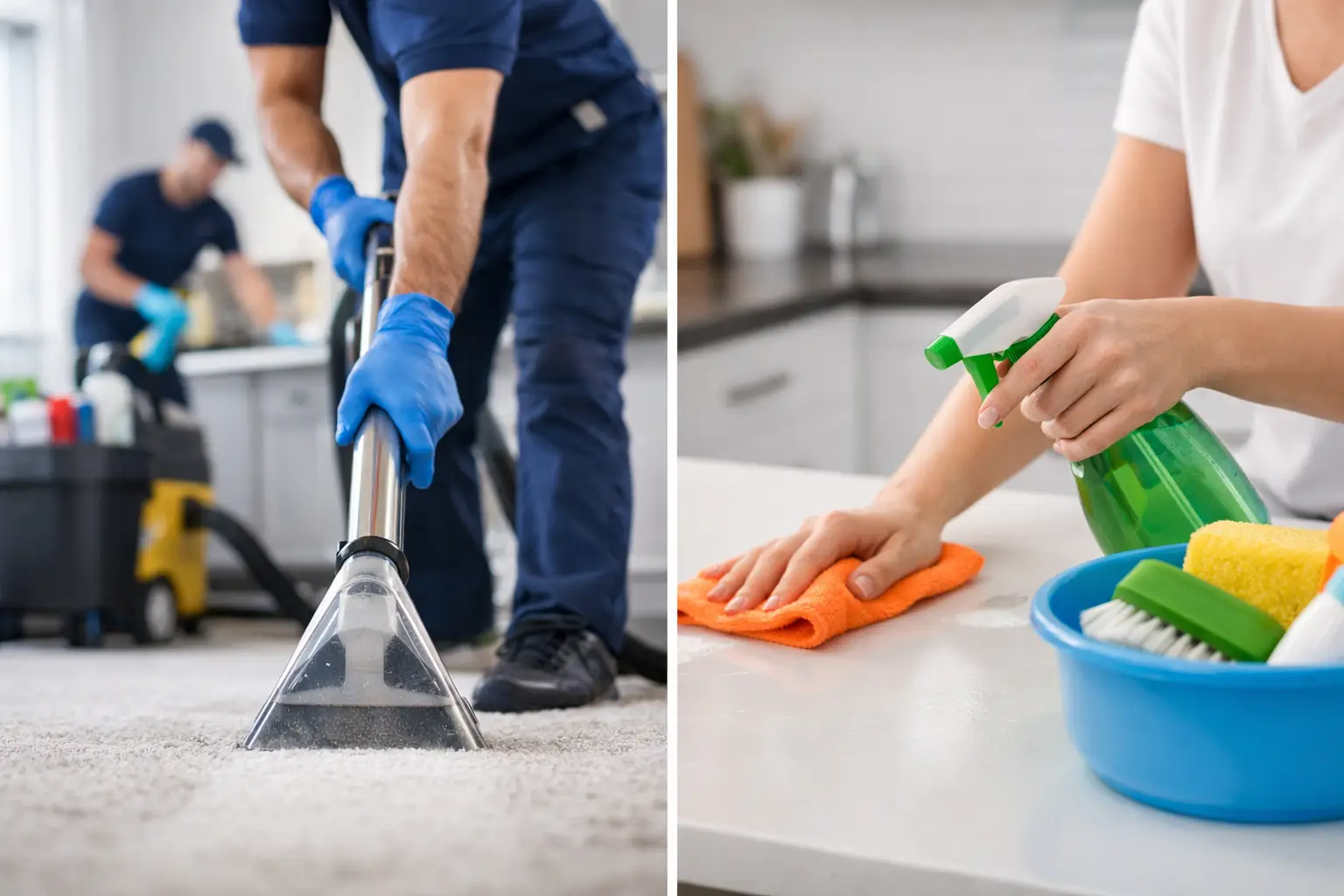
Bond cleaning, also called end-of-lease cleaning, is a detailed clean completed when a tenant moves out of a rental property. Its purpose is to return the home to the condition required under the tenancy agreement, allowing for fair wear and tear.
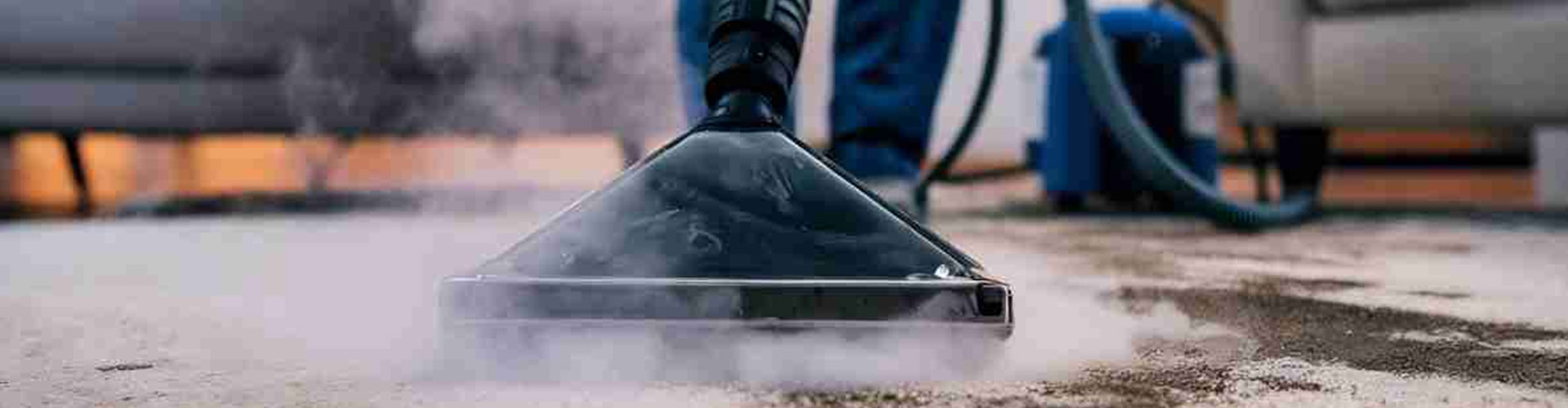
This is more thorough than a regular weekly clean. The work often includes ovens, rangehoods, cupboards inside and out, skirting boards, light fittings, switches, bathroom grout, shower screens, windows, tracks, blinds and hard-to-reach edges. Depending on the property and agreement, it may also involve carpet steam cleaning, pressure washing, upholstery cleaning or internal window cleaning.
The condition report completed at the start of the tenancy remains the most useful reference point. A bond clean should respond to that starting condition rather than chasing an unrealistic idea of perfection. Existing marks, ageing paintwork and normal wear are different from dirt, neglect or damage caused during the tenancy.
The upfront cost is usually the first factor tenants consider. DIY cleaning can look less expensive because you are not paying for labour. However, the true cost includes cleaning products, tools, equipment hire, transport, your time and the possibility of needing to redo work after an inspection.
A professional service has a clearer upfront price, particularly when you receive a tailored quote based on the size, condition and requirements of the property. It also brings commercial-grade equipment, experienced cleaners and a systematic approach to areas that are easy to overlook during a rushed move.
Time is often the deciding factor. Moving house involves keys, removalists, utility changes, packing, work commitments and final repairs. Cleaning a one-bedroom flat thoroughly may take most of a day. A family home with two bathrooms, an oven, carpets and outdoor entertaining areas can take considerably longer, especially if it has not had a deep clean recently.
Professional cleaners can divide the work efficiently and follow a room-by-room process. That does not mean every property needs a full professional clean. It means tenants should be realistic about the job before committing to doing it themselves.
DIY cleaning may suit you when the property has been well maintained throughout the tenancy, you have enough time before handover and you are confident using the right products safely. It can be particularly reasonable for a small, low-maintenance unit with clean carpets, a lightly used kitchen and no specialist cleaning requirements.
The key is to clean to an inspection standard, not just until the home looks generally tidy. Kitchen cupboards need their interiors wiped, the oven needs close attention, and bathroom fittings must be free of soap residue and mineral build-up. Dust on top of doors, grime in window tracks and hair around exhaust fans are common reasons a DIY clean falls short.
If you choose this route, work from the original condition report and clean one room fully before moving on. Take clear, dated photos once each area is complete. Keep receipts for any carpet steam cleaning or pest treatment required by your lease, as property managers may ask for evidence.
DIY also works best when you have the equipment. A worn household vacuum may not lift embedded debris from carpet, while harsh chemicals used without care can damage stone, timber, stainless steel or painted surfaces. Saving money is worthwhile only if the result protects your bond and the property.
Professional bond cleaning becomes especially valuable when the cleaning scope is large, specialised or time-sensitive. Carpets with stains or pet hair, greasy ovens, mould-prone bathrooms, high windows and external areas can require techniques that go well beyond standard household products.
A licensed, experienced team brings purpose-built equipment and knows how to treat different surfaces without causing avoidable damage. Steam cleaning, pressure washing and upholstery cleaning, for example, should be matched to the material and condition rather than applied as a one-size-fits-all solution.
There is also value in consistency. Professional cleaners work to a checklist that covers the details an inspector is likely to notice. This can reduce the pressure of trying to finish a demanding clean after a long move, while providing greater peace of mind that the property is fresh, presentable and ready for handover.
For Sydney tenants, access and timing can matter just as much as the cleaning itself. Apartment lift bookings, limited parking, key collection times and tight settlement schedules can quickly reduce the hours available. Booking a professional team lets you plan the clean around your move rather than hoping there is enough energy left at the end.
The cheapest quote is not always the best value, and the lowest-cost DIY plan can become expensive if it leads to cleaning disputes or deductions. Before booking a service, ask what is included, whether carpet cleaning or exterior work is separate, and whether the quote is based on the property’s actual condition.
Be wary of vague promises that every bond will be returned regardless of damage, pre-existing issues or tenancy obligations. No cleaner can remove responsibility for damage, unpaid rent or breaches unrelated to cleaning. A reputable provider will be clear about scope, explain any limitations and focus on delivering a meticulous cleaning outcome.
Likewise, tenants who clean themselves should not assume a quick wipe-over will satisfy an inspection. A professional-looking property is built through detail: degreased splashbacks, clean shower rails, empty and wiped cupboards, polished taps, vacuumed edges and rubbish removed from every room.
Start by assessing the property honestly. Look at the oven, bathrooms, carpets, windows, walls, balconies and outdoor spaces in daylight. Compare them with your entry condition report, then consider how many uninterrupted hours you can dedicate to cleaning before keys are due back.
DIY may be the right choice if the home is small, regularly maintained and free from specialist issues. A professional clean is usually the safer option if you are short on time, managing a larger property, facing heavy build-up or need services such as carpet steam cleaning and pressure washing.
A blended approach can also make sense. You might handle decluttering, basic wiping and rubbish removal yourself, then engage professionals for the oven, bathrooms, carpets and detailed finishing work. This can reduce the workload without leaving the most demanding areas to chance.
If you choose professional bond cleaning, the property should be empty unless agreed otherwise. Remove personal belongings, dispose of rubbish, defrost the fridge if it is being cleaned and ensure cleaners can access the home, power and water. Let the team know about fragile surfaces, parking restrictions, pets, stains or areas of concern before the appointment.
At OM Cleaning, tailored end-of-lease cleaning quotes help tenants understand what their property needs rather than paying for a generic package. Screened, experienced cleaners and industry-approved equipment support a detailed result, with flexible scheduling to make a busy move more manageable.
Your bond is too significant to leave to a last-minute guess. Choose the approach that gives you enough time, the right level of care and confidence that you can hand back the keys with the property looking its best.