A clean home should make daily life easier, not create another demanding task to manage. For many people, disability home hygiene is about more than having tidy rooms. It can mean clearer pathways for mobility equipment, a more hygienic bathroom, less dust affecting respiratory comfort, and the reassurance of returning to a fresh, welcoming space.
The right support is never one-size-fits-all. A person living with limited mobility, sensory sensitivities, chronic illness or a fluctuating condition may have very different cleaning priorities from another household. Tailored, respectful cleaning helps maintain the home environment in a way that supports comfort, independence and peace of mind.
Disability home hygiene combines routine cleanliness with practical attention to the areas that can affect daily safety and comfort. It is not about making a home look like a display suite. It is about maintaining a space that works well for the person living in it.
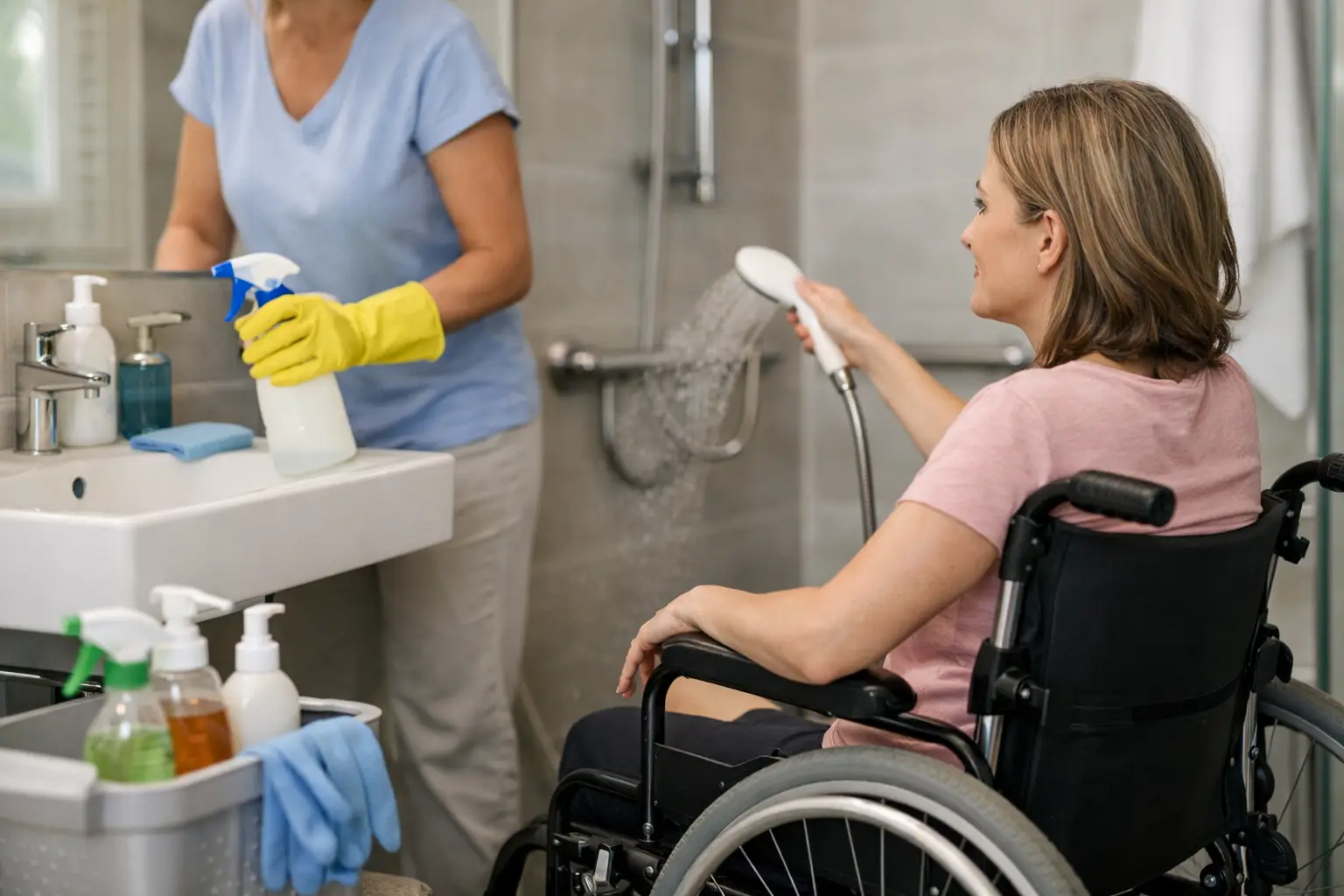
In bathrooms, this may involve careful cleaning of toilets, showers, taps, basins and frequently touched surfaces. Soap residue, moisture and mould can quickly build up in wet areas, particularly when cleaning tasks are difficult to complete regularly. Thorough bathroom cleaning supports a fresher environment and can help reduce slip risks caused by residue on floors.
In kitchens, hygiene often centres on benches, sinks, stovetops, splashbacks and floors. Crumbs, spills and food residue are easy to miss when reaching, bending or standing for extended periods is challenging. A professional clean can keep food-preparation areas more manageable without asking the resident or their support network to carry the full workload.
Floors also deserve close attention. Vacuuming carpets, mopping hard floors and removing dust from edges can improve presentation while keeping routes through the home clear and comfortable. Where a wheelchair, walker or other mobility aid is used, cleaners should work carefully around equipment and avoid leaving cords, buckets or cleaning tools in access paths.
A regular cleaning schedule can prevent manageable mess from becoming an overwhelming job. The best frequency depends on the property, household size, pets, health needs and how much support is already available. Some homes benefit from weekly attention to kitchens, bathrooms and floors, while a fortnightly service may be suitable where light day-to-day cleaning is already covered.
Consistency is especially valuable when energy levels or symptoms vary. On difficult days, essential household tasks can understandably fall behind. Knowing that a trusted cleaner is booked can take pressure off the resident, family members and support workers.
A tailored service should also respect personal routines. Some clients may prefer cleaning while they are out of the home, while others feel more comfortable being present and communicating their priorities directly. Flexible scheduling, clear arrival times and professional conduct all contribute to a positive experience.
A cleaner does not replace occupational therapy, home modifications or personal care support. However, meticulous housekeeping can complement those supports by helping the home remain easier to use between appointments.
The most helpful priorities are often the everyday details that are easy to overlook. These include keeping walkways free of loose debris, removing bathroom residue, cleaning spills promptly, reducing dust on accessible surfaces and emptying rubbish before it becomes difficult to manage. High-touch points such as light switches, door handles, remote controls and rails can also be included where requested.
For people with allergies, asthma or sensitivities, product choice matters. Strong fragrances and harsh chemicals may be unsuitable for some households. Eco-friendly products can be a practical option, but they should still be selected according to the individual’s needs and used correctly. Let the cleaning provider know about allergies, respiratory conditions, pets, surface restrictions or scent preferences before the service begins.
A good cleaning plan sets out what will be cleaned during each visit and what needs special care. This might include a preferred method for handling personal belongings, rooms that should not be entered, delicate surfaces, medication storage areas or equipment that must not be moved.
It is also useful to discuss what cleaning does not include. For example, cleaners should not provide personal care, administer medication, handle unsafe waste or carry out tasks beyond their training. Clear boundaries protect the client, the household and the cleaning team while ensuring the service remains reliable.
For NDIS participants, household cleaning may be arranged where it aligns with plan goals and available funding. Eligibility, category use and claim requirements can vary, so participants, plan managers and support coordinators should confirm the appropriate arrangement for their circumstances.
The standard of service still matters. A dependable provider should listen first, communicate clearly and adapt the cleaning scope to the property and the client’s preferences. The aim is not to rush through a generic checklist. It is to deliver visible, hygienic results while treating the home and its occupant with genuine respect.
When comparing providers, look for practical signs of professionalism: screened staff, appropriate insurance and licensing, reliable booking processes, quality equipment and cleaners who understand the importance of privacy. It is reasonable to ask whether the same cleaner or regular team can be arranged, particularly when familiarity helps a client feel comfortable.
A quote-led approach is useful because homes and requirements differ. A studio apartment with one bathroom needs a different level of work from a family home with carpets, pets and multiple wet areas. Sharing the property type, priority rooms and preferred cleaning frequency helps create a service that is realistic and appropriately priced.
The home does not need to be spotless before a professional arrives. The cleaner is there to help. Still, a few small preparations can make the visit more efficient and reduce the chance of misunderstandings.
Where possible, place important documents, valuables and medication somewhere secure. Let the cleaner know about access instructions, parking, pets and any areas that require extra caution. If communication needs are specific, such as calling before arrival, knocking rather than using a doorbell, or speaking with a nominated family member, note these details when booking.
It can also help to identify the top priorities for that day. If the bathroom and kitchen need attention most, say so. If a carpet spill, dusty blinds or a heavily used lounge requires extra work, raise it before the appointment so enough time can be allowed. Clear communication is one of the simplest ways to achieve a more satisfactory result.
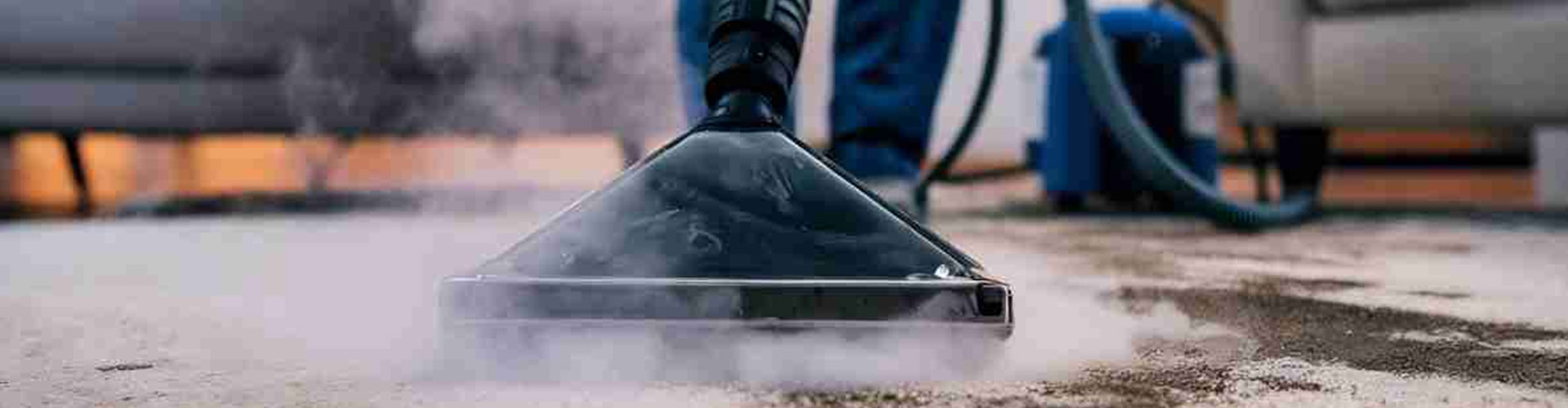
Regular house cleaning maintains the essentials, but some situations call for specialised work. Carpet steam cleaning can help refresh heavily used carpeted areas, particularly after spills, pet accidents or a long period without deep cleaning. Upholstery cleaning may be worthwhile for lounges and chairs that receive daily use, while window cleaning can improve natural light and the overall feel of a room.
Pressure washing or exterior cleaning may be suitable for paths, patios and entry areas where dirt and organic growth have built up. These tasks need to be assessed carefully, as outdoor surfaces, drainage and slip risks vary from property to property. The right method depends on the material and condition of the surface.
For tenants moving home, an end-of-lease clean can reduce the burden of preparing for an inspection. This is particularly helpful when the demands of packing, coordinating removalists and managing a change of address are already substantial.
The value of disability home hygiene is often felt in small moments: using a clean bathroom without worrying about grime, preparing a meal on a fresh bench, moving through uncluttered rooms or welcoming a visitor into a home that feels cared for. These outcomes are practical, but they also contribute to dignity and daily comfort.
OM Cleaning provides professional, tailored cleaning support for Sydney households, with careful attention to individual requirements, flexible scheduling and meticulous results. A conversation about the home, priorities and preferred routine is the best place to start. The right cleaning support should leave the space fresher, safer and easier to enjoy - without adding pressure to the people who call it home.