A marked lift wall, overflowing bin room or dirty glass entry can change how residents, visitors and prospective tenants see an entire building. Strata cleaning Sydney is not simply about making common areas look tidy. It is a practical, ongoing way to protect shared amenities, support hygiene and give residents confidence that their property is being cared for properly.
For strata committees, building managers and property managers, the challenge is consistency. Common areas are used every day, often by dozens or hundreds of people. A cleaning schedule needs to account for foot traffic, weather, waste collection, building layout and the particular expectations of residents. The right professional team brings structure to that work, with meticulous attention to the details that are easily missed during a quick clean.
Every strata property has different needs. A small block of units in Wentworthville will require a different scope of work from a high-traffic apartment complex near Sydney’s CBD. The best approach starts with a site assessment and a tailored cleaning plan rather than a one-size-fits-all checklist.
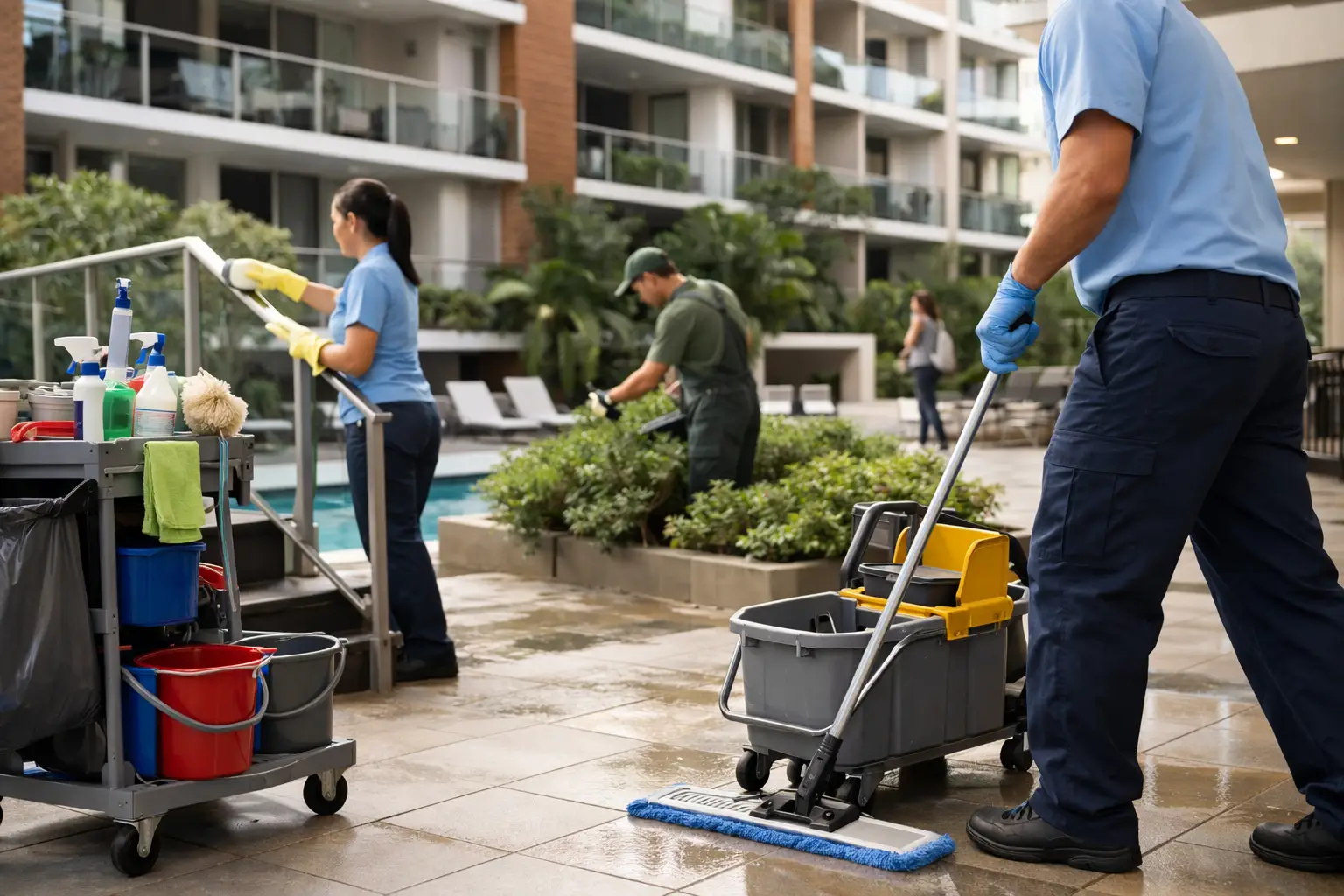
Internal common areas often include lobbies, corridors, stairwells, lifts, mail areas, shared bathrooms and communal rooms. These spaces need routine vacuuming and mopping, dusting of ledges and fittings, cleaning of glass and mirrors, spot removal, and careful disinfection of high-touch points such as lift buttons, handrails, intercoms and door handles.
External areas matter just as much. Building entrances, pathways, car parks, bin areas, courtyards and communal outdoor spaces can quickly collect dirt, leaves, cobwebs and rubbish. Depending on the property, pressure washing, window cleaning and bin-area sanitising may form part of the regular schedule or be booked as periodic maintenance.
A professional service should also handle presentation tasks that help the property feel welcoming. This may mean polishing entry glass, removing fingerprints from stainless steel, keeping noticeboards tidy and ensuring the foyer is fresh before an inspection or owners corporation meeting.
Sydney buildings deal with a mix of daily foot traffic, windblown dust, wet-weather marks and busy shared facilities. When cleaning is delayed, grime becomes harder to remove and small issues become more visible. A neglected bin room can develop odours, damp stairwells can look uninviting, and dirty entryways can create a poor first impression before anyone steps inside.
Regular cleaning also supports a healthier living environment. Shared surfaces are touched constantly, particularly in lifts, foyers and access points. Thorough cleaning and appropriate disinfecting reduce the build-up of dirt and help maintain hygienic areas for residents, guests, tradespeople and delivery drivers.
There is a property-value consideration too. Well-kept common areas contribute to a better overall standard of presentation. This can support leasing and sale inspections, reassure owners that the building is managed attentively, and reduce complaints about conditions residents see every day.
Frequency should reflect use, not guesswork. A boutique building with a quiet stairwell may only require a weekly common-area clean, while a larger complex with lifts, a gym, shared rubbish facilities and high visitor numbers may benefit from several services each week.
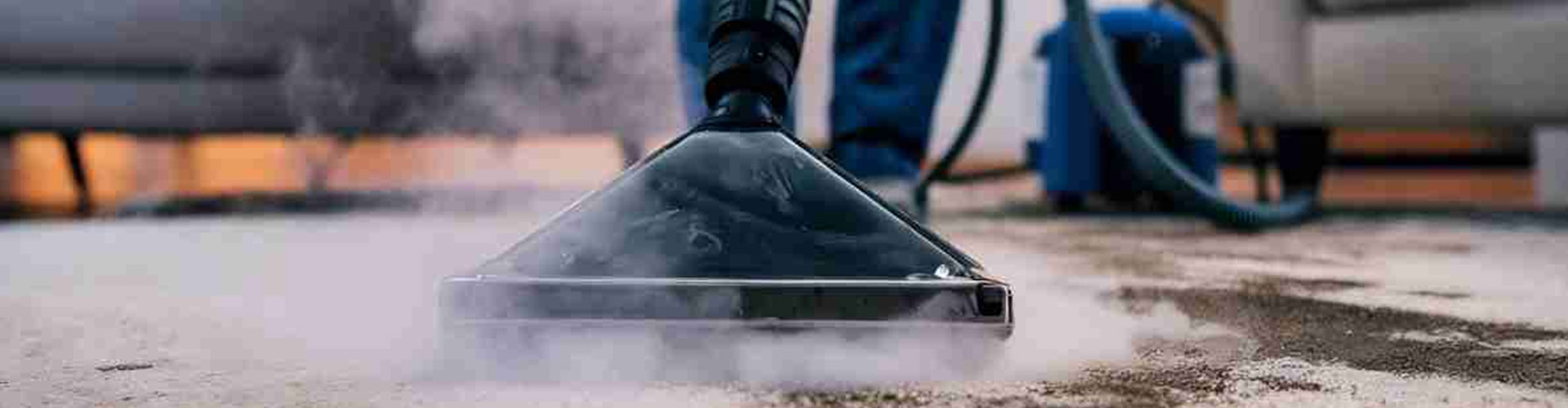
The most effective schedules separate routine work from periodic deep cleaning. Routine visits keep surfaces, floors and high-contact points under control. Periodic services address jobs that need more time or specialised equipment, including carpet steam cleaning in corridors, high window cleaning, pressure washing, upholstery cleaning in shared lounges and detailed treatment of hard-to-reach areas.
Seasonal conditions can affect the plan. Autumn may bring extra leaves to walkways and car parks, while wet periods can leave entrances and tiled areas marked by mud and moisture. Buildings near busy roads may need more frequent external glass cleaning. A flexible provider can adjust the scope when conditions change instead of allowing presentation standards to slip.
A written scope of work gives strata managers and cleaners a shared standard. It should identify every area to be serviced, the frequency of each task, access arrangements and any site-specific requirements. For example, some properties need cleaners to work around school drop-off times, use a service lift, manage after-hours access or avoid particular resident areas during set hours.
It is also helpful to establish how maintenance issues will be reported. A reliable cleaning team may notice a leaking tap, broken light fitting, damaged handrail or pest concern while working on site. Prompt reporting helps the building manager arrange repairs before the issue affects safety or resident comfort.
The lowest quote is not always the best value. Strata cleaning involves access to resident areas and often requires work outside standard business hours. Building managers need a team that turns up as scheduled, communicates clearly and takes responsibility for quality.
Look for a licensed provider with screened, trained cleaners and appropriate insurance. Modern, industry-approved equipment matters because it helps teams clean efficiently without damaging floors, glass, carpets or shared furnishings. Eco-friendly products are also a sensible choice for buildings where residents may be sensitive to strong chemicals or where cleaners work in enclosed spaces.
Consistency is particularly important. If different cleaners arrive without clear instructions, standards can vary from visit to visit. A dependable company uses site notes, quality checks and an agreed scope so the team understands the building’s priorities. This is how details such as corners in stairwells, lift tracks, skirting boards and entry glass receive the attention they need.
At OM Cleaning, strata services can be tailored around the building’s routine requirements, with professional cleaners, flexible scheduling and specialist support for carpets, windows and exterior surfaces when needed. The goal is straightforward: a clean, fresh and well-presented property that gives residents and managers peace of mind.
Some areas create more complaints than others because they are used heavily or are difficult to keep clean. Bin rooms need regular attention to prevent odours, spills and residue around bins. Lifts need frequent wiping because fingerprints and marks show quickly on mirrors, glass and stainless steel. Entryways require care in wet weather, when floors can become both untidy and slippery.
Car parks and pathways should not be overlooked. Oil marks, leaves, litter and cobwebs can make an otherwise well-managed building feel neglected. Periodic pressure washing can restore the appearance of hard surfaces, but it should be used appropriately. High-pressure equipment is valuable for suitable outdoor surfaces, while delicate finishes, painted areas and certain tiles may need a gentler cleaning method.
Shared amenities need their own plan. A communal gym, barbecue area or function room has different hygiene expectations from a corridor. These spaces may need more frequent disinfecting, careful cleaning of equipment and faster response after events or busy weekends.
Good strata cleaning should make life simpler, not create extra administration. Clear booking times, dependable attendance and straightforward communication allow building managers to focus on broader property responsibilities. Where access requirements are involved, the cleaning provider should follow agreed procedures and respect residents’ privacy at all times.
Residents can help by reporting spills, overflowing bins and damaged common-area items promptly. That does not replace professional cleaning, but it allows urgent issues to be addressed before they affect safety or become harder to resolve. A shared property works best when there is a clear standard and everyone understands how concerns are handled.
A clean strata building is felt as much as it is seen. When the foyer is fresh, paths are clear and shared spaces are maintained with care, residents arrive home to a place that feels properly looked after.