A fabric sofa can look tidy at a glance while holding weeks of dust, pet hair, body oils and food crumbs in its fibres. For households with children, pets, allergies or busy entertaining schedules, professional upholstery cleaning Sydney services can make a noticeable difference to both comfort and presentation without the effort of trying to deep-clean large furniture yourself.
At OM Cleaning, upholstery care is approached with the same meticulous attention given to carpets, homes and workplaces. The aim is not simply to freshen a lounge suite for the day. It is to carefully remove built-up soil, treat suitable stains and leave your furniture looking clean, welcoming and properly cared for.
Vacuuming upholstered furniture is a sensible part of regular home cleaning. It removes loose dust, crumbs and pet hair from the surface, especially around seams, under cushions and along the back of the sofa. What it cannot reliably remove is the grime that settles deeper into the fabric over time.
Everyday use leaves behind natural body oils, skin flakes, drink spills and airborne particles. Sydney homes also contend with pollen, humidity and open-window dust, particularly during warmer months. These contaminants can dull fabric colours, create lingering odours and make upholstery feel less fresh, even when the room itself is clean.
Professional cleaning uses industry-approved equipment and appropriate solutions to reach beyond the top layer. The right approach depends on the fabric, its condition and the type of soiling present. A cotton blend, microfibre sofa, dining chair and delicate armchair should not automatically receive the same treatment.
A thorough upholstery clean is valuable when furniture has visible marks, but it is also a practical maintenance service for pieces that are used every day. Sofas, armchairs, ottomans, dining chairs, fabric bedheads and office seating all benefit from periodic professional attention.
Cleaning can help lift general traffic marks, reduce surface dirt, remove pet hair and improve the appearance of fabric that has become flat or dull. It may also assist with common household spills such as tea, coffee, soft drink, food residue and muddy paw prints, particularly when they are addressed promptly.
There are limits, and a dependable cleaner should be clear about them. Some stains can permanently alter fibres or dyes, especially if they have been heat-set, treated with unsuitable supermarket products or left for a long period. Older water marks, ink, bleach damage and certain pet stains may not disappear completely. Professional treatment can still improve the result, but promises of a brand-new finish on every stain are rarely realistic.
The best upholstery cleaning Sydney solution starts with identifying the furniture fabric and checking its condition. Care labels provide useful guidance, but an experienced cleaner also assesses colour fastness, construction, previous staining and the degree of soil before beginning work.
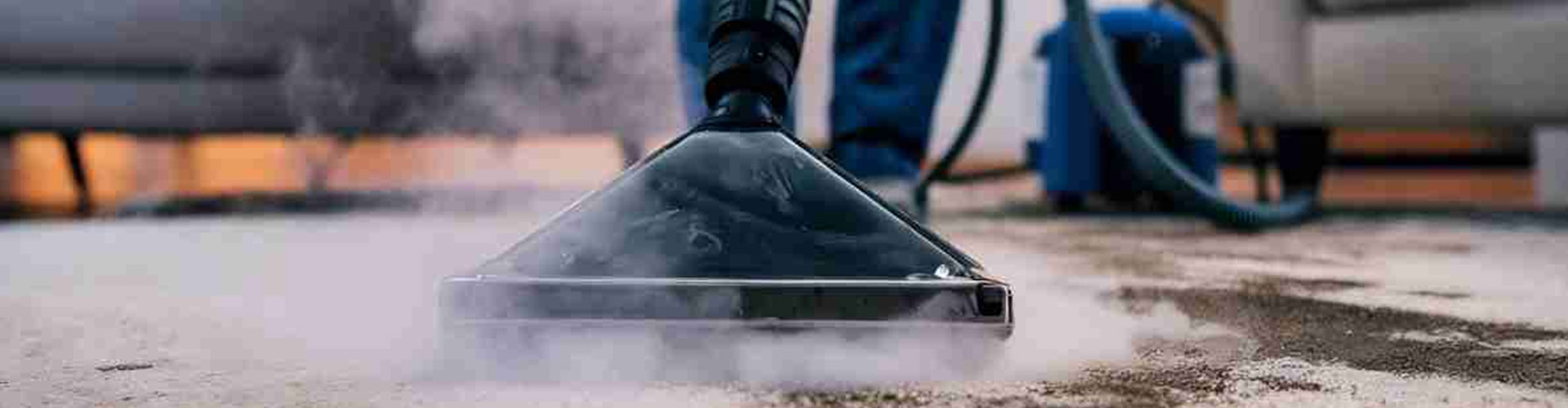
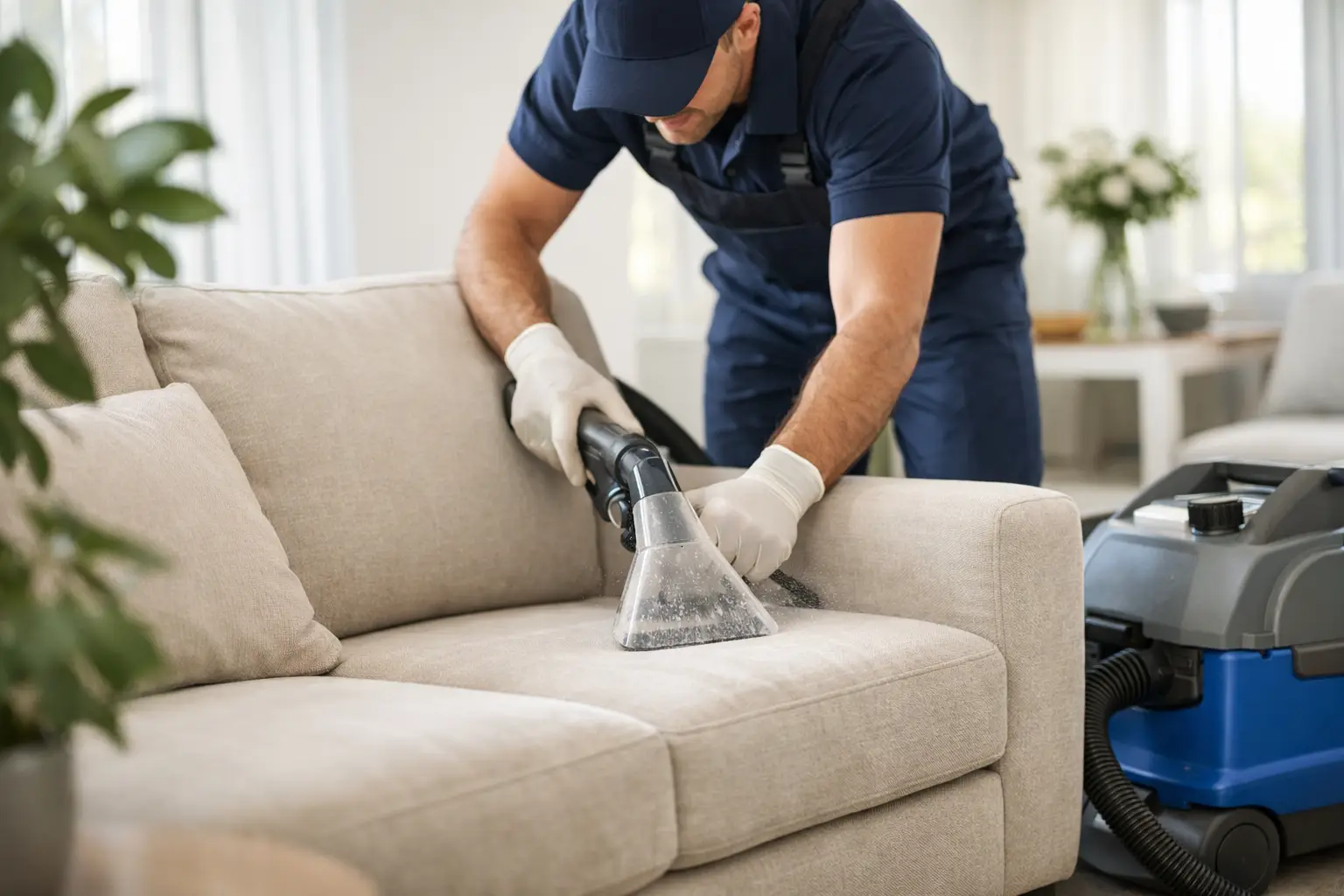
For many fabric lounges and chairs, hot water extraction is an effective deep-cleaning method. A suitable cleaning solution is applied to loosen embedded dirt, then professional equipment extracts soil and moisture from the upholstery. This method can deliver a fresher, more even appearance while avoiding the overwetting that often happens with DIY hire machines.
Drying time varies according to the fabric, ventilation, weather and how heavily soiled the furniture was. Opening windows where appropriate, using fans and allowing space around the furniture can help it dry more efficiently. A reputable cleaner will explain what to expect before the appointment.
Not every item is suitable for hot water extraction. Delicate fabrics, certain natural fibres and furniture with sensitive dyes may need a lower-moisture method or another specialised treatment. Using too much water or the wrong product can cause shrinkage, colour bleed, watermarking or damage to the backing fabric.
This is where professional judgement matters. The quickest method is not always the right one, particularly for an expensive armchair, a lightly coloured lounge or a sentimental piece of furniture. Careful testing and the correct equipment protect the item as well as its appearance.
For a busy family lounge room, professional cleaning every 12 to 18 months is a sensible guide. Homes with indoor pets, young children, frequent visitors or allergy concerns may benefit from more regular cleaning. A sofa in a rarely used formal room may need less frequent service, provided it is vacuumed and protected from dust.
There are also occasions when booking a clean makes immediate sense. You may be preparing for guests, putting a property on the rental market, moving into a new home or refreshing furniture after a tenant moves out. Property managers and landlords can use upholstery cleaning to improve presentation between tenancies, while offices can maintain cleaner, more professional client-facing seating.
If a spill occurs, blot it gently with a clean white cloth rather than rubbing it deeper into the fabric. Avoid soaking the area or applying several chemical products in quick succession. Keep pets and children away from the spot, note what caused the stain and arrange professional advice as soon as practical.
A little preparation helps the cleaning team work efficiently and helps protect your belongings. Clear personal items, throws, toys and loose cushions from the furniture where possible. If a sofa is against a wall, make enough room for the cleaner to access the sides and back when required.
Let the team know about stains, odours, delicate sections, previous cleaning attempts and any access considerations before the visit. This information allows for a more accurate quote and a cleaning plan suited to your home. For apartment residents, it can also be helpful to confirm lift access, visitor parking and building requirements ahead of time.
After cleaning, allow adequate drying time before returning cushions, blankets and everyday use to normal. Avoid sitting on damp upholstery or placing coloured throws on it, as this can transfer dye. Following the aftercare guidance provided by your cleaner helps preserve the result.
Clean furniture changes how a space feels. In a family home, it helps the lounge room feel fresher and more comfortable. In a rental property, it supports a well-presented inspection or handover. In an office, reception area or meeting room, clean chairs send a quiet but clear message that the business takes its environment seriously.
The practical requirements differ by property type. A homeowner may want a full lounge suite cleaned around school hours. A tenant may need a service coordinated with an end-of-lease clean. A business may require work outside standard operating hours to minimise disruption. Flexible scheduling and clear communication make these jobs easier to organise.
Screened, professional cleaners are particularly important where furniture is located in private homes, supported accommodation, strata buildings or active workplaces. Customers should be able to feel confident that the team entering their space will work carefully, respect the property and complete the agreed service to a high standard.
Your furniture carries the daily life of your home or workplace, from quiet evenings and family meals to meetings, visitors and weekend catch-ups. Giving it professional care before dirt and marks become deeply established is a straightforward way to protect its appearance and enjoy a cleaner, more welcoming space. Request a tailored quote based on your furniture, fabric and scheduling needs, then leave the detailed work to a trusted cleaning team.